





This author participates in the Readers' Favorite Free Book Program, which is open to all readers and is completely free. The author will provide you with a free copy of their book in exchange for an honest review. You and the author will discuss what sites you will post your review to and what kind of copy of the book you would like to receive (eBook, PDF, Word, paperback, etc.). To begin, click the purple email icon to send this author a private email.
This author participates in the Readers' Favorite Book Review Exchange Program, which is open to all authors and is completely free. Simply put, you agree to provide an honest review an author's book in exchange for the author doing the same for you. What sites your reviews are posted on (B&N, Amazon, etc.) and whether you send digital (eBook, PDF, Word, etc.) or hard copies of your books to each other for review is up to you. To begin, click the purple email icon to send this author a private email, and be sure to describe your book or include a link to your Readers' Favorite review page or Amazon page.
This author participates in the Readers' Favorite Book Donation Program, which was created to help nonprofit and charitable organizations (schools, libraries, convalescent homes, soldier donation programs, etc.) by providing them with free books and to help authors garner more exposure for their work. This author is willing to donate free copies of their book in exchange for reviews (if circumstances allow) and the knowledge that their book is being read and enjoyed. To begin, click the purple email icon to send this author a private email. Be sure to tell the author who you are, what organization you are with, how many books you need, how they will be used, and the number of reviews, if any, you would be able to provide.
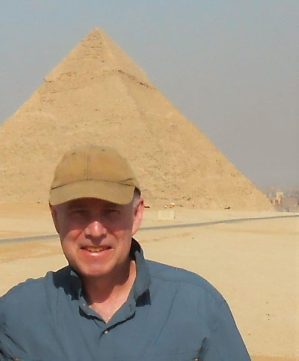
Tony Sunderland has spent his life studying how societies surrender to dominant narratives. An acclaimed educational researcher and non-fiction author, his previous works—including The Obelisk and the Cross and The Secret Religion—explored the buried truths of Western history and the ancient struggle for individual enlightenment.
With Awakening, his first fiction novel, Sunderland turns his gaze toward tomorrow. He blends deep sociopolitical insight with a fast-paced dystopian thriller to ask what happens when humanity finally stops questioning the world around it.
Reviewed by Leonard Smuts for Readers' Favorite
Imagine a society that suffered years of steady decline, in which trust was broken, and a sense of hopelessness prevailed. Communal identity had been lost, and society became divided. Most people had lost direction and grown weary. Tony Sunderland paints a bleak picture of the year 2097 in Awakening. He describes how many humans had become irrelevant, left to live out a mindless routine in a divided city. The citizens of the new city were protected by strict rules. In contrast, those living in the old city had given up and awaited death in whatever form seemed best. There was no incentive to have children in a society with no future. It became a choice between a dreary life and a virtual death, whose regulations were set by the controlling forces. Dissidents escaped to become independent but were marginalized. As Senior Guardian Paul Valentine patrolled the desolate streets of the old city, his father, Jason, was in failing health and considering a virtual death. His sister Maggie was strongly opposed to the idea, and conflict ensued. When a murder was committed, Paul and his deputy Tom were tasked with the investigation, which led them to a breakaway group and his former love, Sophia. A group of Zealots defended the right to a physical death, rather than a virtual state. As the investigation gained momentum, dark secrets were revealed, and revolution was fomented.
Tony Sunderland explores a dysfunctional and divided society. He points out that survival is not just a question of instinct and adaptability, but is based on our desire for a better future, free from false promises. The authorities withheld information about death and dying, and death became industrialized. Friends, family, and the authorities lie, but to what end, and where does loyalty lie? We all have choices. Heroes became fugitives in search of the truth. Human emotions came into conflict with an artificial reality that was sterile. Awakening asks serious questions about our values and what sustains us. What constitutes meaning, and is there hope? Philosophical and emotional questions include truth, control, religion, betrayal, grief, regret, abandonment, and despair. Death, dying, and our right to choose the means are central themes. This dystopian tale will evoke conflicting emotions for some readers. The writing style is vivid and introduces heroes and villains that mirror the best and worst of what we could become. This thought-provoking work is unsettling at times. The core issues apply to contemporary society and may shape the future.