



This author participates in the Readers' Favorite Book Review Exchange Program, which is open to all authors and is completely free. Simply put, you agree to provide an honest review an author's book in exchange for the author doing the same for you. What sites your reviews are posted on (B&N, Amazon, etc.) and whether you send digital (eBook, PDF, Word, etc.) or hard copies of your books to each other for review is up to you. To begin, click the purple email icon to send this author a private email, and be sure to describe your book or include a link to your Readers' Favorite review page or Amazon page.
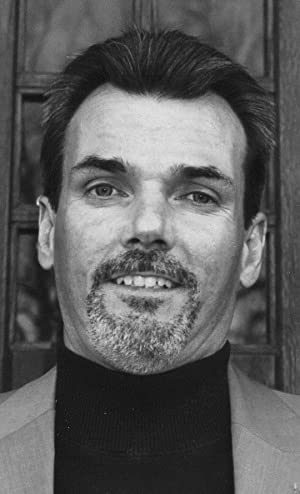
Roy Chaney is the author of The Ragged End of Nowhere, Seven Times Dead, and Flip Your Wig. He received the 2008 Tony Hillerman Prize for The Ragged End of Nowhere. He resides in Las Vegas, Nevada.
Reviewed by Carol Thompson for Readers' Favorite
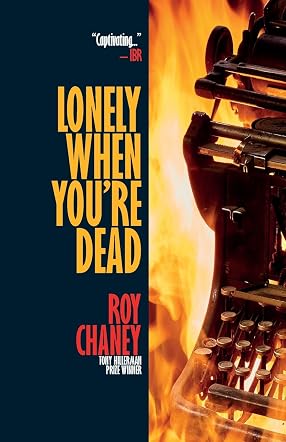
Lonely When You’re Dead by Roy Chaney begins with journalist Claude “Murph” Murphy caught in a violent sweep following a riot at a Quebec City poetry festival, setting up a story that combines crime, politics, and cultural unrest. Murph arrives in Canada on an assignment, expecting to cover poets and performances, but instead becomes entangled in a chaotic, volatile environment. As he navigates unfamiliar territory, he encounters eccentric figures, including his unpredictable editor Ambrose Bunt and a range of artists and outsiders whose lives intersect through art, ambition, and risk. A brutal incident at a café escalates the situation when a man is killed during a riot, placing Murph dangerously close to suspicion and forcing him into a tense search for answers. His path crosses with another writer who believes the violence is tied to something larger.
Roy Chaney writes with an observational style that mirrors Murph’s perspective as both a participant and a witness. The pacing shifts between quieter investigative moments and bursts of action that arrive without warning, keeping the narrative unpredictable. Dialogue reveals the characters through subtle exchanges rather than overt explanations. The descriptions of settings, from dim bars to crowded festival spaces, create a vivid sense of place without overwhelming the story. Readers who enjoy character-driven mysteries with a literary edge will appreciate how the novel balances introspection with tension, making the unfolding events grounded while still maintaining intrigue. The suspense gradually builds, drawing readers into Murph’s experience as he pieces together what lies beneath the surface. Lonely When You’re Dead blends atmosphere, investigation, and human complexity into a compelling narrative.