





This author participates in the Readers' Favorite Book Donation Program, which was created to help nonprofit and charitable organizations (schools, libraries, convalescent homes, soldier donation programs, etc.) by providing them with free books and to help authors garner more exposure for their work. This author is willing to donate free copies of their book in exchange for reviews (if circumstances allow) and the knowledge that their book is being read and enjoyed. To begin, click the purple email icon to send this author a private email. Be sure to tell the author who you are, what organization you are with, how many books you need, how they will be used, and the number of reviews, if any, you would be able to provide.
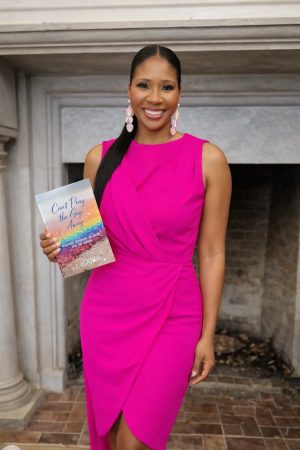
IceLyn Ugbomah is an author, nonprofit director, and transformational leader who writes from lived experience. Her work is rooted in truth, surrender, and the Lordship of Jesus, offering a real and honest pathway for those navigating faith, identity, and purpose.
After spending over two decades in the LGBTQ+ community, IceLyn understands the tension of believing in Jesus while not knowing how to reconcile that with real life. Her writing does not offer surface-level answers, but a deeper call to transformation, freedom, and relationship with God through the power of the Holy Spirit.
Through her voice, she creates space for those who are searching, questioning, and ready for something real, guiding them beyond performance and into true encounter.
Reviewed by Jamie Michele for Readers' Favorite
In Can't Pray the Gay Away, I. Ugbomah argues that many LGBTQ+ people reject Christianity because their encounters with churches convinced them that Jesus was hostile toward them. Using her own life as the foundation of the book, she describes growing up outside religion in Brooklyn, entering a long same sex relationship, marrying her female partner, then eventually beginning a discipleship process after a serious accident interrupted her life. She explains that her conversion did not happen through fear or pressure but through a gradual acceptance of the biblical teachings that she had previously dismissed. The central message is that she came to believe salvation requires complete surrender to Jesus, including accepting scripture as the final authority over personal desire. The author tells readers that no person is beyond forgiveness and insists that transformation is possible when someone willingly submits their life to Christ instead of defining truth according to personal feelings or community approval.
In Can’t Pray the Gay Away, I. Ugbomah speaks with the plain conviction of someone who believes that faith is not a slogan but a surrender. Her account rests on a simple but weighty claim: prayer alone did not redirect her life until she yielded it to Jesus Christ. I like the way the author traces her turning point through lived experience. She turns directly to Scripture, citing Leviticus 18:22 and Romans 1:26–27 as departing from God’s design, then connects those passages to her decision to step away from her former marriage and identity. Her teaching is accessible because she translates doctrine into everyday understanding, likening the mind to a motherboard that continues sending old signals until it is renewed by God’s Word. She reinforces this framework through John 14:26, where Jesus promises the Holy Spirit as a teacher in believers, and Acts 2:38, where Peter calls for repentance, baptism, and the receiving of that Spirit, forming the pattern she believes her own life followed. This testimony stands firmly on its convictions and invites the reader to consider them seriously. For those seeking a direct account of faith centered on Christ and Scripture, this book is worth your time.